
 +91-9958 726825
Exploring traditional and Contemporary toll gate payment systems highlighting strengths and pitfalls
|
The existing toll gate system has long relied on hardware infrastructure, often presenting limitations in terms of scalability, efficiency, and user experience. In response to these challenges, the proposed advancement integrates GPS technology into the toll gate payment system, offering a more dynamic and adaptable solution. This work explores the evolution of toll gate payment systems, transitioning from traditional hardware-based approaches to modern mobile-based methodologies, with a focus on the innovative implementation of GPS technology. Through a comprehensive review of the literature, the paper examines the shortcomings of traditional toll gate systems and explores the potential benefits of adopting a mobile-based approach enhanced by GPS technology. By leveraging the ubiquity and versatility of mobile devices, this innovative system promises improved convenience, accuracy, and accessibility for users while also streamlining operations and reducing costs for toll authorities. The paper aims to provide insights into the transition towards modernizing toll gate payment systems, offering valuable perspectives. Ultimately, it advocates for the adoption of mobile-based GPS toll gate systems as a transformative solution to address the evolving needs of the transportation sector.
|
|
The transportation sector has long relied on toll gate systems for revenue collection and traffic management. Traditionally, these systems have used hardware-based infrastructure, limiting scalability, efficiency, and user experience. As technology advances, toll gate payment systems are undergoing a significant transformation driven by mobile technologies and GPS innovation. This introduction explores the evolution of toll gate payment systems, focusing on the shift from traditional hardware-centric approaches to modern mobile-based methodologies enhanced by GPS technology. By examining the historical context and challenges of conventional toll gate systems, this paper sets the stage for exploring the benefits and implications of adopting innovative solutions.
The previous toll gate infrastructure, comprising physical toll booths and manual payment processing, has been plagued by inefficiencies and operational constraints. Long queues, delays in transaction processing, and limited payment options have led to user dissatisfaction and hindered the smooth flow of traffic. Moreover, the rigid nature of hardware-based systems has made it challenging to adapt to evolving transportation needs, such as dynamic pricing models and congestion management strategies. Recognizing these shortcomings, there has been a growing push to modernize toll gate payment systems by leveraging the widespread use of mobile devices and the precision of GPS technology. The integration of GPS into toll gate systems represents a paradigm shift, enabling real-time tracking of vehicle movements, precise billing based on distance travelled, and seamless transaction processing without the need for physical infrastructure. Against this backdrop, this paper explores the evolution of toll gate payment systems, analyzing the transition toward mobile-based GPS methodologies as a transformative solution. Through a comprehensive review of literature and case studies, it aims to highlight the potential benefits of adopting such systems, including enhanced user convenience, operational efficiency, and cost-effectiveness for toll authorities. By advocating for the adoption of mobile-based GPS toll gate systems, this paper provides valuable insights and recommendations for stakeholders in the transportation sector amidst a rapidly evolving technological landscape. The GPS-based Highway Toll Collection System operates on a simple principle: it tracks vehicle movement by monitoring their GPS coordinates. These coordinates are continuously compared with predetermined toll collection points in the system’s database. When a match occurs, key information such as the vehicle number, owner’s mobile number, vehicle type, and real-time location is transmitted to the toll plaza maintenance office via SMS using a GSM module, as shown in Figure 1. The office then sends a payment link to the vehicle owner's mobile number. Toll payment is processed via a debit transaction within the specified timeframe for the matched destination. |
|
Exploring advancements in toll collection systems, this literature survey highlights the role of automation in enhancing efficiency and reducing congestion worldwide.
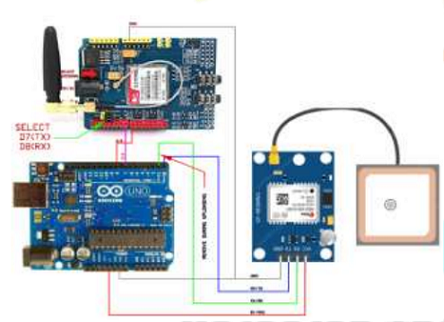 Figure 1 : GPS Toll Payment System using Arduino
In toll gate systems, there is growing interest in automation, driven by the need to optimize efficiency and reduce waiting times. Rajan Senapati, B., et al.[18] highlight the potential of leveraging Vehicular Ad-hoc Networks (VANETs) to achieve these objectives. They emphasize the challenges in manual toll collection systems, particularly with increasing vehicle numbers. By comparing proposed automated systems with conventional protocols like Geographic Source Routing (GSR) and Anchor-based Street Traffic Aware Routing (A-STAR), they underscore the benefits in terms of reduced delays and improved service times, setting the stage for further experimentation in real-world VANET environments.
Recent research has introduced innovative approaches to revolutionize toll collection, addressing inefficiencies and congestion in traditional manual systems. Haque, M. A., et al.[9] present an Automated Toll Plaza System (ATPS) in Bangladesh, utilizing RFID and GSM modules to deduct toll charges directly from vehicle owners' DBBL rocket accounts. Controlled by a microcontroller-based database module, the system swiftly identifies vehicles via RFID tags and deducts toll charges upon verification, demonstrating promising results in reducing entry time and enhancing efficiency.
The global interest in optimizing toll collection systems, especially in developing nations like India and Indonesia, highlights the critical need for efficient infrastructure development. Shahrier, M., et al.[20] and Dismantoro, D., et al.[8] both address the challenges of manual toll collection, such as long queues and traffic congestion, emphasizing the need for technological solutions. Al‐Mahmud et al. emphasize the potential of GPS-based solutions to streamline toll collection, while Dismantoro et al. focus on GPS-based mobile applications to expedite toll payments and reduce congestion on urban roads and tollways.
The surge in traffic congestion, particularly at toll collection points, due to outdated manual toll collection processes, has spurred a wave of innovative solutions. Christopher, K. K., et al. [6] highlight the inefficiencies of manual toll collection, which wastes fuel, causes traffic jams, and inconveniences the public. Their proposed smart toll automation systems, leveraging RFID technology and mobile applications, offer faster and more efficient toll payment processes. By automating toll collection and integrating with mobile platforms, these systems significantly improve traffic flow, reduce fuel consumption, and mitigate air pollution, presenting a promising solution for modernizing toll management.
Technological innovations in toll collection systems are driving significant advancements in efficiency and automation. Alliance, S., et al.[3] highlight the growing importance of time efficiency in toll collection, leading to the adoption of NFC technology. NFC's simplicity enables contactless payment applications, facilitating paperless and automated toll processing. By utilizing NFC-based smart cards and active tags, toll collection systems are becoming more streamlined, offering enhanced user experiences and providing intelligent alternatives to traditional methods. Similarly, Sathya, G., et al.[19] introduce license plate recognition technology to further automate toll collection. Using CCTV cameras and pressure sensors, vehicles approaching toll booths trigger image capture and processing to identify vehicle owners linked to a central database. This method eliminates the need for manual payments, significantly enhancing efficiency and reducing congestion. The system's potential extends beyond toll collection, with applications in traffic surveillance and parking fee collection, emphasizing its effectiveness in automating toll processes and notifying owners of toll deductions. Collectively, these innovations signal a shift towards streamlined, automated toll collection systems aimed at improving overall efficiency and user satisfaction. 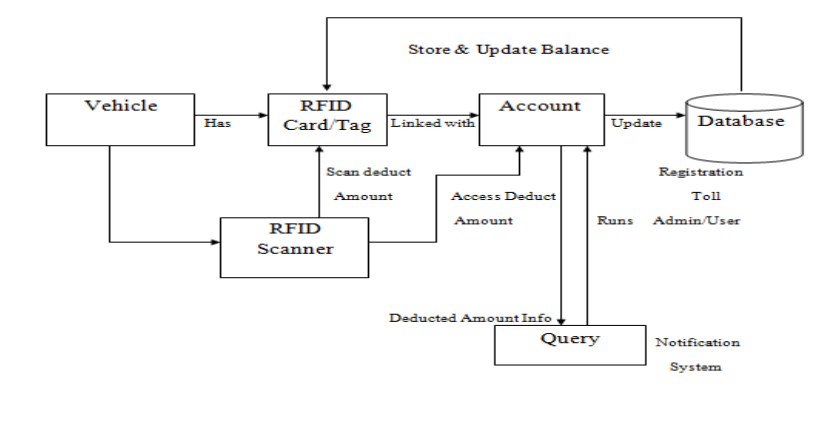 Figure 2 : System Architecture of RFID Toll Payment System
The Figure 2 illustrates a block diagram of an RFID-based toll collection system, which differs from a GPS-based system. Although the survey focuses on GPS-based toll systems, RFID remains a prevalent technology in electronic toll collection. Here’s a breakdown of how the RFID-based system operates:
An RFID-based toll collection system uses short-range communication between the reader and the vehicle's tag, limiting tracking capabilities over long distances. In contrast, GPS-based systems use GPS technology to track vehicles, enabling flexible tolling options like pay-per-mile schemes.
Table 1 : Actual Comparison
|
|
This article highlights the evolution of toll gate payment systems, focusing on the shift from traditional hardware-centric approaches to mobile-based methodologies enhanced by GPS technology. Through a comprehensive review of literature and analysis of various toll collection systems, we have identified the limitations of existing methods and proposed innovative solutions. The integration of GPS technology offers dynamic tracking capabilities and transaction processing, promising improved efficiency and adaptability. These insights enable stakeholders in the transportation sector to make informed decisions and embrace transformative solutions to meet the evolving needs of modern infrastructure. This paper calls for the modernization of toll gate payment systems by leveraging mobile technologies and GPS innovation to create a more seamless and efficient transportation experience. Future research could explore AI integration for predictive analytics, block chain for secure transactions, and IoT for seamless connectivity in toll gate systems.
|
|
|


Pain Text:
Shylaja V , Priya M (2025), Exploring traditional and Contemporary toll gate payment systems highlighting strengths and pitfalls. Samvakti Journal of Research in Information Technology, 6(2) 1 - 13.
Shylaja V , Priya M (2025), Exploring traditional and Contemporary toll gate payment systems highlighting strengths and pitfalls. Samvakti Journal of Research in Information Technology, 6(2) 1 - 13.