
Conference Paper ID : sjrit.2025.11 | Open Access | DOI : 10.46402/sjrit.2025.11

Exploring traditional and Contemporary toll gate payment systems highlighting strengths and pitfalls


Shylaja V , Priya M
Submission Date : February 22, 2025 Publication Date : July 19, 2025Last Update Date : January 13, 2026
Last Update Activity: Added DOI information to the Paper


The existing toll gate system has long relied on hardware infrastructure, often presenting limitations in terms of scalability, efficiency, and user experience. In response to these challenges, the proposed advancement integrates GPS technology into the toll gate payment system, offering a more dynamic and adaptable solution. This work explores the evolution of toll gate payment systems, transitioning from traditional hardware-based approaches to modern mobile-based methodologies, with a focus on the innovative implementation of GPS technology. Through a comprehensive review of the literature, the paper examines the shortcomings of traditional toll gate systems and explores the potential benefits of adopting a mobile-based approach enhanced by GPS technology. By leveraging the ubiquity and versatility of mobile devices, this innovative system promises improved convenience, accuracy, and accessibility for users while also streamlining operations and reducing costs for toll authorities. The paper aims to provide insights into the transition towards modernizing toll gate payment systems, offering valuable perspectives. Ultimately, it advocates for the adoption of mobile-based GPS toll gate systems as a transformative solution to address the evolving needs of the transportation sector.
The transportation sector has long relied on toll gate systems for revenue collection and traffic management. Traditionally, these systems have used hardware-based infrastructure, limiting scalability, efficiency, and user experience. As technology advances, toll gate payment systems are undergoing a significant transformation driven by mobile technologies and GPS innovation. This introduction explores the evolution of toll gate payment systems, focusing on the shift from traditional hardware-centric approaches to modern mobile-based methodologies enhanced by GPS technology. By examining the historical context and challenges of conventional toll gate systems, this paper sets the stage for exploring the benefits and implications of adopting innovative solutions.
The previous toll gate infrastructure, comprising physical toll booths and manual payment processing, has been plagued by inefficiencies and operational constraints. Long queues, delays in transaction processing, and limited payment options have led to user dissatisfaction and hindered the smooth flow of traffic. Moreover, the rigid nature of hardware-based systems has made it challenging to adapt to evolving transportation needs, such as dynamic pricing models and congestion management strategies. Recognizing these shortcomings, there has been a growing push to modernize toll gate payment systems by leveraging the widespread use of mobile devices and the precision of GPS technology. The integration of GPS into toll gate systems represents a paradigm shift, enabling real-time tracking of vehicle movements, precise billing based on distance travelled, and seamless transaction processing without the need for physical infrastructure.
Against this backdrop, this paper explores the evolution of toll gate payment systems, analyzing the transition toward mobile-based GPS methodologies as a transformative solution. Through a comprehensive review of literature and case studies, it aims to highlight the potential benefits of adopting such systems, including enhanced user convenience, operational efficiency, and cost-effectiveness for toll authorities. By advocating for the adoption of mobile-based GPS toll gate systems, this paper provides valuable insights and recommendations for stakeholders in the transportation sector amidst a rapidly evolving technological landscape.
The GPS-based Highway Toll Collection System operates on a simple principle: it tracks vehicle movement by monitoring their GPS coordinates. These coordinates are continuously compared with predetermined toll collection points in the system’s database. When a match occurs, key information such as the vehicle number, owner’s mobile number, vehicle type, and real-time location is transmitted to the toll plaza maintenance office via SMS using a GSM module, as shown in Figure 1. The office then sends a payment link to the vehicle owner's mobile number. Toll payment is processed via a debit transaction within the specified timeframe for the matched destination.
 
Exploring advancements in toll collection systems, this literature survey highlights the role of automation in enhancing efficiency and reducing congestion worldwide.
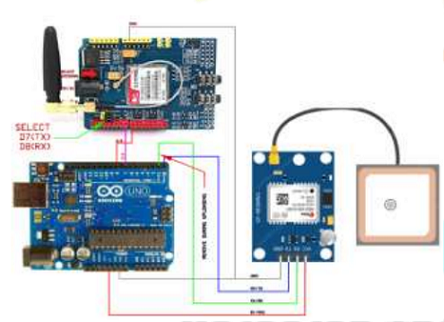
Figure 1 : GPS Toll Payment System using Arduino
  1. Automation and Efficiency in Toll Collection Systems

In toll gate systems, there is growing interest in automation, driven by the need to optimize efficiency and reduce waiting times. Rajan Senapati, B., et al.[18] highlight the potential of leveraging Vehicular Ad-hoc Networks (VANETs) to achieve these objectives. They emphasize the challenges in manual toll collection systems, particularly with increasing vehicle numbers. By comparing proposed automated systems with conventional protocols like Geographic Source Routing (GSR) and Anchor-based Street Traffic Aware Routing (A-STAR), they underscore the benefits in terms of reduced delays and improved service times, setting the stage for further experimentation in real-world VANET environments.
Dhilipkumar, S., et al.[7] highlight the significant traffic congestion and economic losses at toll booths on India's national highways. They identify inefficiencies in manual toll collection, such as delays, change issues, and human errors. To address these challenges, they propose a smart toll collection system using ZIGBEE and RFID technologies. This system enables automated toll collection, eliminating the need for vehicles to stop, reducing fuel consumption, enhancing road safety, and improving the overall travel experience. By harnessing wireless transceivers and cloud-local hybrid databases, this system aims to modernize toll collection and alleviate highway congestion.
Further underscoring the trend toward automation, Naaz, S., et al.[14] emphasize the development of AI-based toll collection systems. They note the increasing demand for automation to address congestion and inefficiency in traditional toll collection methods. By utilizing RFID technology for the electronic transmission of data in real-time, these systems aim to replace paper-based ticketing with convenient, reusable RFID tags. The proposed system seeks full automation, transparency, and convenience, with potential applications extending beyond toll collection, such as railway ticketing. While not all benefits may be universally realized, the deployment of Electronic Toll Collection (ETC) technologies holds significant promise for reducing congestion and enhancing overall transportation efficiency.

  1. Technology Utilization for Toll Collection

Recent research has introduced innovative approaches to revolutionize toll collection, addressing inefficiencies and congestion in traditional manual systems. Haque, M. A., et al.[9] present an Automated Toll Plaza System (ATPS) in Bangladesh, utilizing RFID and GSM modules to deduct toll charges directly from vehicle owners' DBBL rocket accounts. Controlled by a microcontroller-based database module, the system swiftly identifies vehicles via RFID tags and deducts toll charges upon verification, demonstrating promising results in reducing entry time and enhancing efficiency.
In parallel, Randriamasy, M., et al.[17] highlight the emergence of Intelligent Transportation Systems (ITS) and Cooperative ITS (C-ITS) applications, particularly in electronic toll collection (ETC). By leveraging ITS-G5 technology and advanced filtering techniques like Kalman Filtering, they aim to ensure accurate geolocation and secure communication channels during toll transactions. These advancements signal progress towards seamless tolling processes within connected vehicle environments, offering benefits for both drivers and service providers.
Additionally, Balamurugan, K., et al.[4] propose an Automatic Check Post and E-Toll Payment System to address traffic issues and delays at toll plazas. Using RFID and GSM modules for toll payment and vehicle monitoring, combined with image processing technology, this system aims to enable faster, more secure toll collection. By providing multiple payment options and incorporating vehicle theft detection features, it seeks to streamline toll collection, reduce congestion, and enhance overall efficiency at toll plazas. These research endeavors collectively mark the beginning of a new era of technology-driven solutions set to transform toll collection operations worldwide.

  1. Challenges and Solutions in Toll Collection

The global interest in optimizing toll collection systems, especially in developing nations like India and Indonesia, highlights the critical need for efficient infrastructure development. Shahrier, M., et al.[20] and Dismantoro, D., et al.[8] both address the challenges of manual toll collection, such as long queues and traffic congestion, emphasizing the need for technological solutions. Al‐Mahmud et al. emphasize the potential of GPS-based solutions to streamline toll collection, while Dismantoro et al. focus on GPS-based mobile applications to expedite toll payments and reduce congestion on urban roads and tollways.
In response to these challenges, Suresh, A. C., et al.[23] and Punitha, A., et al.[16] advocate for the adoption of advanced technologies like RFID, IoT, and real-time payment systems to automate toll collection. Suresh et al. focus on India’s road transportation system, where manual toll collection contributes to traffic congestion and economic losses. Their proposed Online Toll Payment System aims to eliminate the need for vehicles to stop at toll plazas by utilizing RFID and IoT for seamless, automatic toll transactions. Similarly, Punitha et al. highlight the perception of toll gates as hindrances due to financial burdens and delays. They propose toll gate payment systems that streamline the payment process, reduce congestion, and provide real-time account information to enhance convenience for both workers and drivers.
Collectively, these studies reflect a consensus on the need for technological advancements to address the challenges of manual toll collection and traffic congestion. By leveraging GPS, RFID, and IoT, these proposed solutions offer promising opportunities to improve transportation infrastructure, enhance user experience, and ensure fair, efficient toll collection processes across toll plazas globally.

  1. Smart Solutions for Toll Collection

The surge in traffic congestion, particularly at toll collection points, due to outdated manual toll collection processes, has spurred a wave of innovative solutions. Christopher, K. K., et al. [6] highlight the inefficiencies of manual toll collection, which wastes fuel, causes traffic jams, and inconveniences the public. Their proposed smart toll automation systems, leveraging RFID technology and mobile applications, offer faster and more efficient toll payment processes. By automating toll collection and integrating with mobile platforms, these systems significantly improve traffic flow, reduce fuel consumption, and mitigate air pollution, presenting a promising solution for modernizing toll management.
Similarly, Hidayat, R.[10] focus on enhancing the E-toll Card system at Suramadu Toll Gate. Through comprehensive evaluation using the Critical Incident Technique (CIT) and Importance Performance Analysis (IPA), they identify key areas for improvement to address transactional issues and traffic congestion.
Recommendations include increasing the number of toll gates with an open-close system and conducting awareness campaigns to streamline toll road services and enhance the user experience.
Furthermore, Chandrappa, S., et al.[5] present an IoT-based Automotive and Intelligent Toll Gate system, revolutionizing toll collection through RFID technology. By assigning unique RFID cards to vehicles and leveraging Raspberry Pi technology, this system automates toll collection, reduces traffic congestion, and enhances security. RFID technology enables vehicle tracking and automatic toll collection, significantly improving road safety and environmental sustainability.
Collectively, these innovative solutions aim to streamline toll payments, alleviate congestion, and enhance the overall efficiency of transportation systems.

  1. Technological Innovations in Toll Collection

Technological innovations in toll collection systems are driving significant advancements in efficiency and automation. Alliance, S., et al.[3] highlight the growing importance of time efficiency in toll collection, leading to the adoption of NFC technology. NFC's simplicity enables contactless payment applications, facilitating paperless and automated toll processing. By utilizing NFC-based smart cards and active tags, toll collection systems are becoming more streamlined, offering enhanced user experiences and providing intelligent alternatives to traditional methods. Similarly, Sathya, G., et al.[19] introduce license plate recognition technology to further automate toll collection. Using CCTV cameras and pressure sensors, vehicles approaching toll booths trigger image capture and processing to identify vehicle owners linked to a central database. This method eliminates the need for manual payments, significantly enhancing efficiency and reducing congestion. The system's potential extends beyond toll collection, with applications in traffic surveillance and parking fee collection, emphasizing its effectiveness in automating toll processes and notifying owners of toll deductions. Collectively, these innovations signal a shift towards streamlined, automated toll collection systems aimed at improving overall efficiency and user satisfaction.
Problem Prevailing
Traditional toll gate payment systems face limitations in scalability, efficiency, and user experience due to reliance on hardware infrastructure. This study aims to address these challenges by proposing the integration of GPS technology into mobile-based toll gate systems. The problem statement focuses on enhancing the effectiveness and adaptability of toll gate payment systems to meet the evolving needs of the transportation sector. By leveraging GPS technology within mobile platforms, the study seeks to optimize user experience, streamline operations, and reduce costs for toll authorities, ultimately advocating for a transformative solution in toll collection.

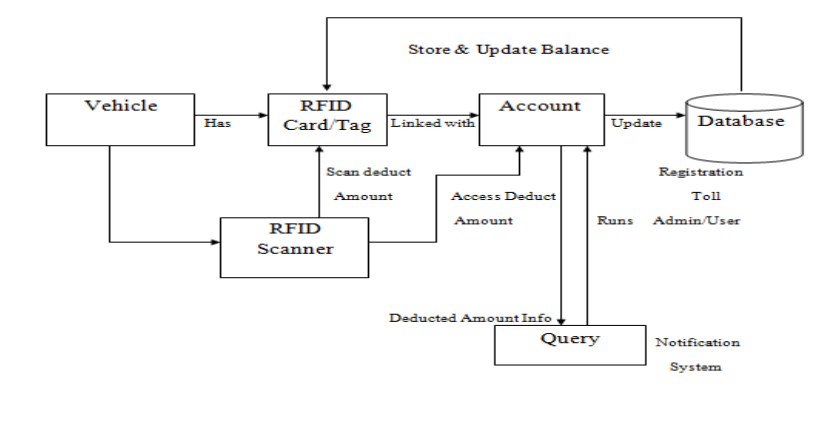
Figure 2 : System Architecture of RFID Toll Payment System

The Figure 2 illustrates a block diagram of an RFID-based toll collection system, which differs from a GPS-based system. Although the survey focuses on GPS-based toll systems, RFID remains a prevalent technology in electronic toll collection. Here’s a breakdown of how the RFID-based system operates:

  • Vehicle: A vehicle with an RFID card or tag affixed to it approaches a toll booth.
  • RFID Scanner: As the vehicle passes the scanner, it transmits the RFID tag’s unique identifier.
  • Database: The scanner transmits the ID to a database storing account information linked to each RFID tag.
  • Account: The database retrieves the linked account and checks the balance.
  • Toll Deduction: If sufficient funds are available, the required toll amount is deducted from the account balance.
  • Gate Access: The gate opens to allow the vehicle to pass.
  • Admin/User System: This system allows administrators to monitor and manage the toll collection process, including updating toll rates and managing user accounts.

An RFID-based toll collection system uses short-range communication between the reader and the vehicle's tag, limiting tracking capabilities over long distances. In contrast, GPS-based systems use GPS technology to track vehicles, enabling flexible tolling options like pay-per-mile schemes.
Actual Comparison
The Table 1 compares various methods for vehicle identification and toll collection systems, evaluating the challenges and shortcomings of each approach. The assessment covers systems that combine technologies such as RFID (Radio Frequency Identification), load cells, IR (Infrared) sensors, ultrasonic sensors, GSM (Global System for Mobile Communications), and near-field communication. Each system’s effectiveness, design clarity, potential congestion issues, viability, security, and applicability in specific contexts have been examined. The systems assessed include those using RFID with load cells for classification[13], RFID and IR sensors[24], RFID and ultrasonic sensors facing classification challenges and viability issues with the pay-later method[1], RFID with unique tag IDs lacking displayed results[15], an integrated system with pollution measurement and cost calculation, but congestion concerns related to its near-field communication system[12], and systems using RFID with weight measurement[2][22]. Additionally, systems combining RFID with GSM and featuring prototype testing have been evaluated, with one gateless toll system deemed inapplicable in Zimbabwe[21]. Other systems integrating RFID and GSM for automatic deduction lacked vehicle presence detection and effective user-system communication[10]. Furthermore, a system integrating sensors for vehicle presence, RFID for identification, and IR sensors for accident detection revealed inconsistencies in microcontroller usage and lacked conclusive results[11]. This analysis provides insights into the strengths, weaknesses, and suitability of different vehicle identification and toll collection systems, supporting informed decision-making for more efficient and reliable toll infrastructure.

Author Method Used Advantages Disadvantages
Lakshmi, M., & Hariprasad, K.[13] RFID for vehicle identification; Load cell for classification by weight None listed Unclear methodology, no displayed results, delay from weighing at toll plaza causing congestion
Thota, M. K.[24] RFID for vehicle identification; IR sensor for vehicle presence detection Clear design illustrated by block diagram, method and tools clearly listed Potential congestion if vehicles without sufficient balance or tags are not provided an alternative route
Abdulla, R.[1] RFID for vehicle identification; Ultrasonic sensors for height measurement Clear evaluation of testing results, clarity on vehicle classification limitations Inappropriate vehicle classification methods in Zimbabwe, pay-later method not viable due to lawlessness
Polavararapu, S. C.[15]
RFID for vehicle identification; Unique tag ID for database identification
Soma, S.[22]
RFID for vehicle identification; Pollution measurement; Cost calculation
Ahmed, S.[2]
RFID for vehicle identification; Tools clearly specified
Sharan, S.[21]
RFID for vehicle identification; Weight measurement using load cell
Kommey, B[12]
RFID for identification; GSM for user communication; Prototype testing
Kavyashree, M[11]
Sensor for vehicle presence; RFID for identification; IR sensor for accident detection
Table 1 : Actual Comparison
This article highlights the evolution of toll gate payment systems, focusing on the shift from traditional hardware-centric approaches to mobile-based methodologies enhanced by GPS technology. Through a comprehensive review of literature and analysis of various toll collection systems, we have identified the limitations of existing methods and proposed innovative solutions. The integration of GPS technology offers dynamic tracking capabilities and transaction processing, promising improved efficiency and adaptability. These insights enable stakeholders in the transportation sector to make informed decisions and embrace transformative solutions to meet the evolving needs of modern infrastructure. This paper calls for the modernization of toll gate payment systems by leveraging mobile technologies and GPS innovation to create a more seamless and efficient transportation experience. Future research could explore AI integration for predictive analytics, block chain for secure transactions, and IoT for seamless connectivity in toll gate systems.
[1]   Abdulla, R., Abdillahi, A., & Abbas, M. K. (2018). Electronic toll collection system based on radio frequency identification system. International Journal of Electrical and Computer Engineering (IJECE), 8(3), 1602-1610.
[2]   Ahmed, S., Tan, T. M., Mondol, A. M., Alam, Z., Nawal, N., & Uddin, J. (2019, October). Automated toll collection system based on RFID sensor. In 2019 International Carnahan Conference on Security Technology (ICCST) (pp. 1-3). IEEE.
[3]   Alliance, S. C. (2011). The mobile payments and NFC landscape: A US perspective. Smart Card Alliance, 1-53.
[4]   Balamurugan, K., Elangovan, S., Mahalakshmi, R., & Pavithra, R. (2017, September). Automatic check-post and fast track toll system using RFID and GSM module with security system. In 2017 International Conference on Advances in Electrical Technology for Green Energy (ICAETGT) (pp. 83-87). IEEE.
[5]   Chandrappa, S., Guruprasad, M. S., Kumar, H. N., Raju, K., & Kumar, D. S. (2023). An iot-based automotive and intelligent toll gate using rfid. SN Computer Science, 4(2), 154.
[6]   Christopher, K. K., Arul, X. V., & Karthikeyen, P. (2019, April). Smart toll tax automation and monitoring system using android application. In 2019 IEEE International Conference on Intelligent Techniques in Control, Optimization and Signal Processing (INCOS) (pp. 1-6). IEEE.
[7]   Dhilipkumar, S., & Arunachalaperumal, C. (2020). Smart toll collection system using ZIGBEE and RFID. Materials Today: Proceedings, 24, 2054-2061.
[8]   Dismantoro, D., Pratomo, I., & Sumpeno, S. (2020, November). Minimizing toll payment queue using GPS-based mobile applications. In 2020 Fifth International Conference on Informatics and Computing (ICIC) (pp. 1-7). IEEE.
[9]   Haque, M. A., Iqbal, M. S., & Kabir, M. M. (2020, December). An Automated toll plaza system using RFID and GSM module: Perspective of Bangladesh. In 2020 2nd International Conference on Sustainable Technologies for Industry 4.0 (STI) (pp. 1-6). IEEE.
[10]   Hidayat, R. (2020, July). Evaluation and improvement of e-toll card system at Suramadu toll gate. In Journal of Physics: Conference Series (Vol. 1569, No. 3, p. 032032). IOP Publishing.
[11]   Kavyashree, M., Mamatha, M., Manasa, N. M., Vidhyashree, H. E., & Nagashree, R. N. (2020). RFID based smart toll collection system. Int. J. Eng. Res. Technol, 8(11), 177-180.
[12]   Kommey, B., Acquaye, C., & Abeka, T. (2020). Ghanatoll: Barrier-free rfid toll collection and management system for ghana. International Journal of Computer Applications, 975, 8887.
[13]   Lakshimi, M., & Hariprasad, K. (2016). Automatic Weight Monitoring Using RFID and Load Cell. Journal of Chemical and Pharmaceutical Sciences, Chennai. ISSN, 0974-2115.
[14]   Naaz, S., Parveen, S., & Ahmed, J. (2021, March). An artificial intelligence based toll collection system. In Proc. 2nd Int. Conf. ICT Digit., Smart, Sustain. Develop. (ICIDSSD), February, Jamia Hamdard, New Delhi, India (p. 389).
[15]   Polavarapu, S. C., Umamaheswari, K., & Hari, N. S. (2018). RFID based automatic tollgate collection. Int. J. Eng. Technol. (UAE), 7(2.1), 1-5.
[16]   Punitha, A., & Raghupathi, S. (2021, March). Smart Method for Tollgate Billing System Using RSSI. In 2021 International Conference On Advance Computing And Innovative Technologies In Engineering (ICACITE) (pp. 503-506). IEEE.
[17]   Randriamasy, M., Cabani, A., Chafouk, H., & Fremont, G. (2019). Geolocation process to perform the electronic toll collection using the ITS-G5 technology. IEEE Transactions on Vehicular Technology, 68(9), 8570-8582.
[18]   Ranjan Senapati, B., & Mohan Khilar, P. (2019). Optimization of performance parameter for vehicular ad-hoc network (VANET) using swarm intelligence. In Nature Inspired Computing for Data Science (pp. 83-107). Cham: Springer International Publishing.
[19]   Sathya, G., Sangeetha, K., Siddharthan, S., & Punj, S. (2019). Smart way toll collection system. J. Multidiscip. Res, 9(3).
[20]   Shahrier, M., Hasnat, A., Al‐Mahmud, J., Huq, A. S., Ahmed, S., & Haque, M. K. (2024). Towards intelligent transportation system: A comprehensive review of electronic toll collection systems. IET Intelligent Transport Systems, 18(6), 965-983.
[21]   Sharan, S., Nadu, T., & Babu, J. (2019). Automated road tolling system using RFID, International Journal of Advance research, Ideas and Innovations in Technology 5(2) 1778 - 1780.
[22]   Soma, S. An intelligent toll-gate system for toll collection based on distance and pollution control using internet of things, International Conference on Recent Trends In Computational Engineering and Technologies (ICTRCET) pp781 – 786 - 791.
[23]   Suresh, A. C., Rao, M. S., Sridhar, D., & Annapurna, G. S. (2019). Online Toll Gate Payment System using RFID & IoT. India: Blue Eyes Intelligence Engineering and Sciences Publication (BEIESP), 10.
[24]   Thota, M. K., Prathibhavani, P. M., Gujja, S., Ravula, D., & Venugopal, K. R. (2023, September). Emergency vehicle detection using iot in smart cities. In 2023 International Conference on Sustainable Emerging Innovations in Engineering and Technology (ICSEIET) (pp. 163-167). IEEE.
Figure 1 : GPS Toll Payment System using Arduino.png
Figure 2 : System Architecture of RFID Toll Payment System.png
Pain Text:
Shylaja V , Priya M (2025), Exploring traditional and Contemporary toll gate payment systems highlighting strengths and pitfalls. Samvakti Journal of Research in Information Technology, 6(2) 1 - 13.